
Orthodontic Retainers to Prevent Teeth Shifting
Finishing orthodontic treatment is a major milestone, but keeping your smile straight for the long term depends on wearing and caring for your retainers. At Harwell & Cook Orthodontics, our goal is to help your new smile last a lifetime. Following your retainer plan is the most important step in protecting the results you worked so hard to achie

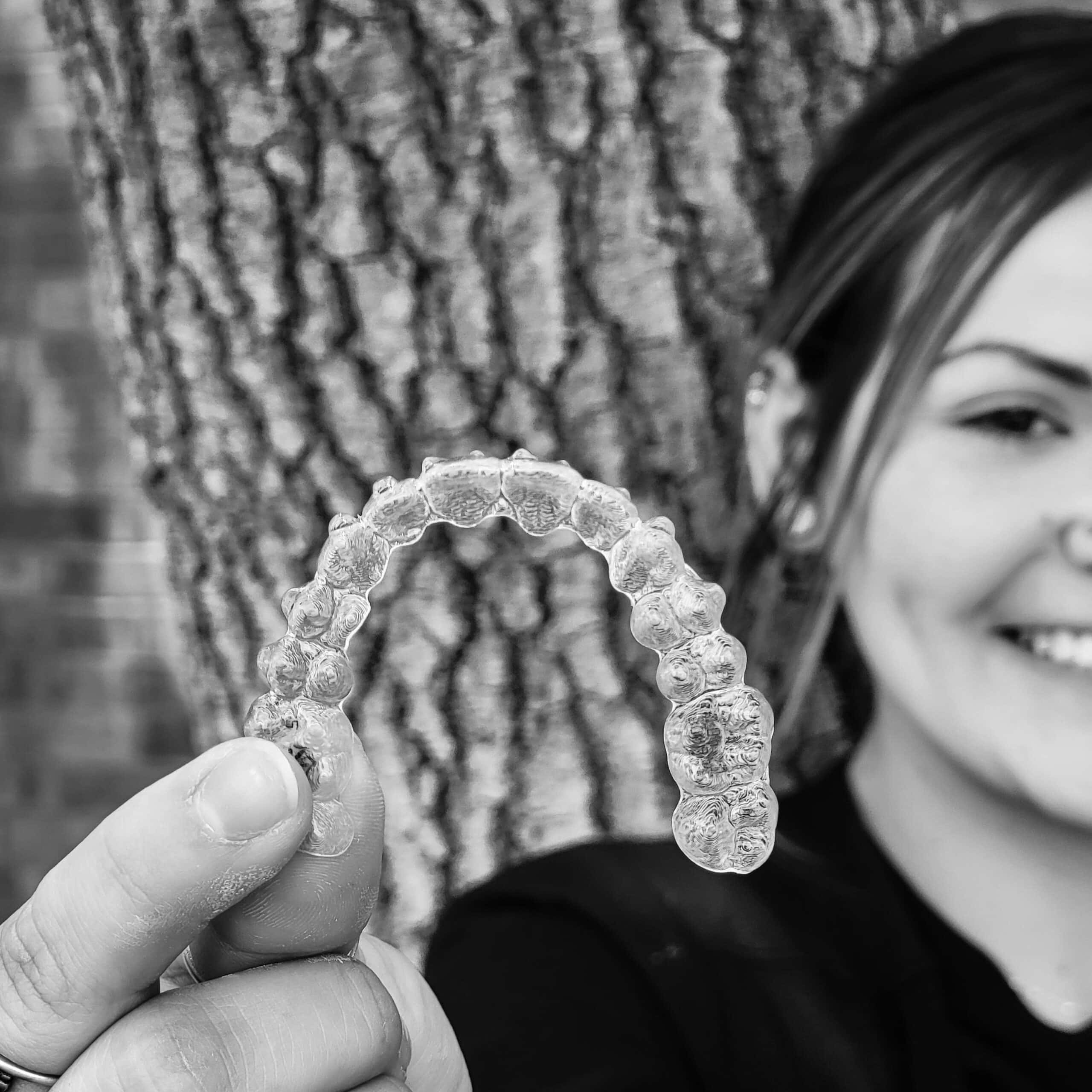
Why are Retainers After Braces or Clear Aligners Important?
Once braces or Invisalign® treatment is complete, the bone and soft tissues surrounding your teeth need time to stabilize. Without proper retention, teeth can gradually shift back toward their original positions.
Because teeth naturally move throughout life, we recommend wearing retainers indefinitely to maintain alignment and prevent unwanted changes. Consistent retainer use helps safeguard your investment and keeps your smile looking its best for years to come.
What Types of Orthodontic Retainers Are Available?
Our doctors will recommend the retainer type that best fits your needs, bite, and lifestyle.
How Do Removable Retainers Work?
Removable retainers are typically worn full-time for the first two months after treatment. After this period, Dr. Anthony Harwell or Dr. Tanner Cook will transition you to nighttime-only wear to maintain proper alignment.
- Progress is monitored every six months for up to one year after treatment
- After that, patients are placed in dismissal status
- If a retainer is lost or damaged after dismissal, please contact our office to have a replacement made
What Is a Fixed (Bonded) Retainer?
A fixed retainer uses a thin wire bonded behind the teeth to help keep them in position long-term.
- Designed for continuous retention
- Typically remains in place unless your family dentist identifies gum or bone concerns
- If removed, a removable retainer will be prescribed
- Should be checked during regular dental cleanings to ensure it stays clean and secure
How Should You Care for Your Retainers?
Proper care helps extend the life of your retainers and keeps them hygienic:
- Avoid heat—keep retainers away from dishwashers, car dashboards, heaters, or temperatures above 115°F
- Always store retainers in their protective case when not in use
- Keep them away from pets, as retainers are often damaged by chewing
- Clean daily by gently brushing with a toothbrush and toothpaste
- Use denture-cleaning solutions, such as Efferdent®, periodically to reduce tartar buildup
- Replace retainers as needed; one set is included with treatment, but replacement fees apply for lost or damaged retainers
- Contact our office immediately if a retainer becomes loose or breaks
When Is Stronger Retention Necessary?
Some habits and conditions require extra attention to retention, including:
- Mouth breathing
- Teeth clenching or grinding
- Tongue thrusting or improper tongue posture
- Playing reed instruments
- Lip sucking
- Chewing on pens or pencils
- Large gaps or severely rotated teeth prior to treatment
In these cases, your orthodontist may recommend enhanced or extended retainer wear.
Why Are Regular Dental Visits Still Important After Treatment?
Even with excellent retainer compliance, ongoing dental care remains essential. Be sure to:
- Brush and floss thoroughly every day
- Visit your family dentist every six months for cleanings and exams
Our mission is simple: help your smile look just as great years from now as it does the day your braces come off. Your commitment to retainer wear is the key to lifelong results.
Frequently Asked Questions
Retainers play a critical role in protecting your orthodontic results long after treatment ends. These frequently asked questions address common concerns patients have about long-term retainer wear and maintenance.
How Long Will I Need to Wear My Retainer?
Most patients need to wear retainers indefinitely to maintain their results. Teeth naturally shift throughout life due to muscle pressure, aging, and habits, so consistent retainer use helps protect the investment you made in your smile.
What Happens If I Stop Wearing My Retainer?
If retainers are not worn as instructed, teeth can begin shifting back toward their original positions. Even short periods without retainer wear can lead to noticeable movement that may require additional orthodontic treatment to correct.
Can Retainers Feel Tight After Time Away?
Yes. A retainer feeling tight usually means your teeth have started to shift. Wearing the retainer consistently may help guide them back, but if tightness or discomfort persists, you should contact the office for an evaluation.
How Often Do Retainers Need to Be Replaced?
Retainers may need replacement over time due to normal wear, changes in fit, or damage. Replacement frequency varies by retainer type, wear habits, and oral changes, which is why regular checkups are important.
What Should I Do If My Retainer Breaks or No Longer Fits?
If a retainer breaks, cracks, or no longer fits properly, contact the office as soon as possible. Delaying repair or replacement can allow teeth to shift quickly, making correction more difficult.